
NDH/CVD Healthy eating during the festive season
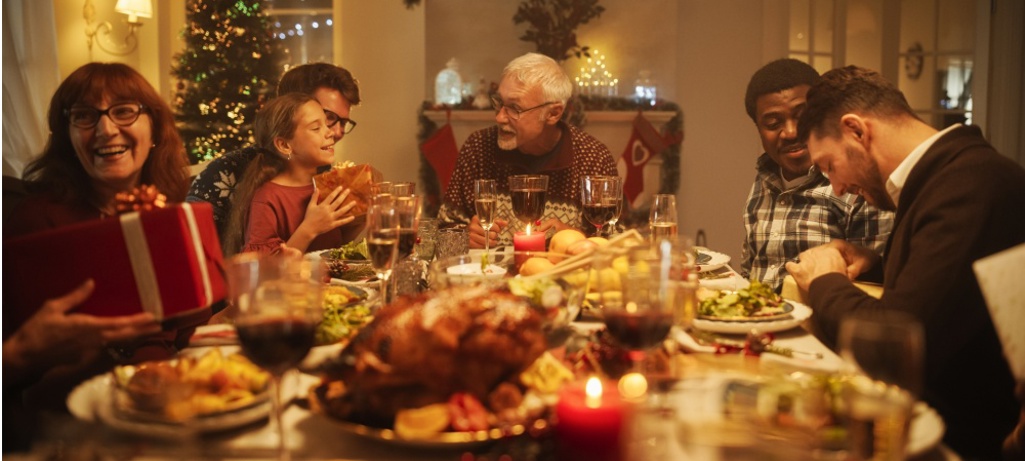
The festive season is upon us, and although we face different challenges this year, it can still be an opportunity to enjoy ourselves with our loved ones safely.
Managing a health condition can add extra considerations during the holidays. You might feel pressure around food choices, comments from well-meaning relatives or worries about overindulging. The ideas below aim to help you enjoy festive food and drink in a way that feels comfortable for you. You’ll also find tips, advice and recipe suggestions for delicious meals and treats that still support your general wellbeing.
Tips
Plan ahead - Take a bit of time to think about what you will be eating and drinking on the days when meals tend to be larger or richer. Planning ahead can help you feel more relaxed and able to enjoy yourself rather than worrying about how certain foods might affect your condition.
Skipping meals - Some people skip breakfast or lunch to make room for Christmas dinner. This works for some, but not for everyone. If skipping meals tends to leave you tired, hungry or more likely to overeat later, it’s better to stick to your normal pattern. If you have not skipped meals before, then avoid doing this for the first time at Christmas and try to stick to your usual routine as much as possible
Be kind to yourself - Your eating habits might look a bit different over the holidays, and that’s completely normal. Try not to be too hard on yourself. Most people find they return to their usual routines easily once the celebrations are over.
Portion sizes - You can enjoy your favourite festive dishes by keeping an eye on portion sizes. Choose sensible servings, especially of rich foods and sweet treats. Sticking to one portion of dessert is a good way to enjoy it without feeling too full afterwards.
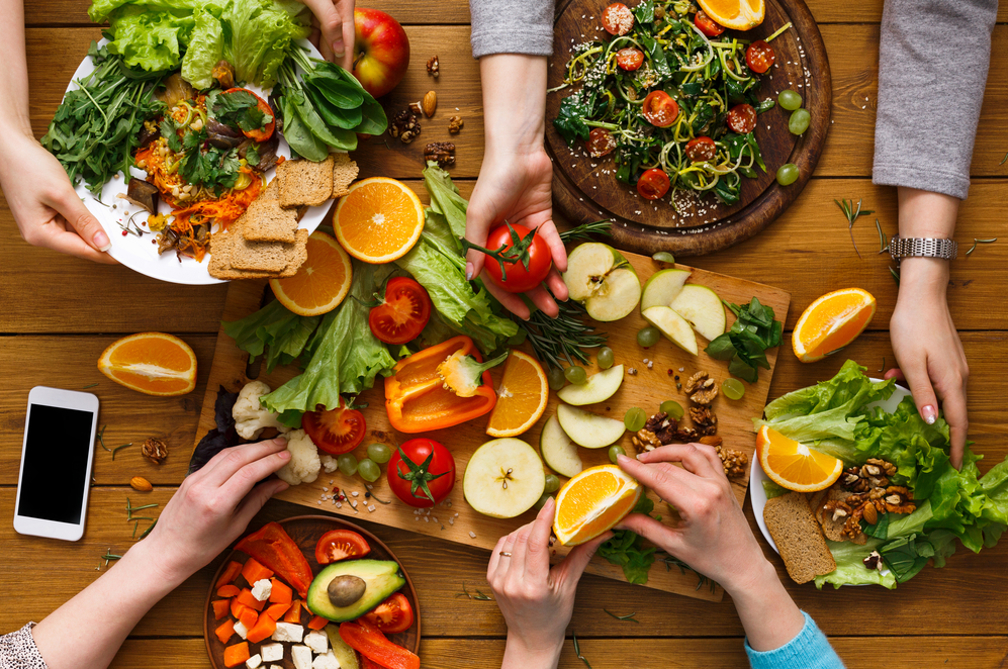
A rainbow of vegetables - Fill plenty of your plate with vegetables. Leafy greens like Brussels sprouts, or colourful choices like carrots, squash, turnips, courgettes and broccoli add flavour, texture and nutrients.
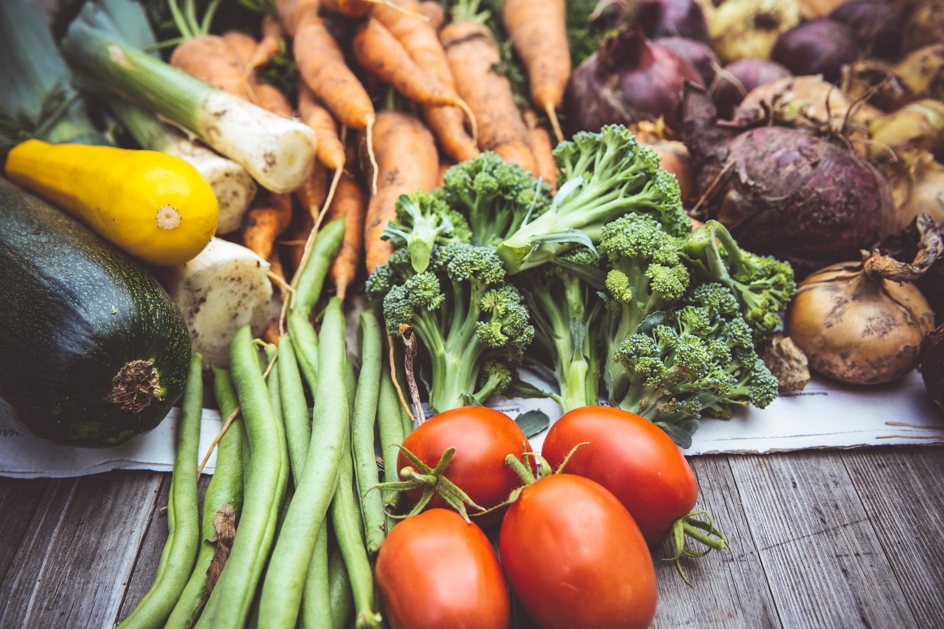
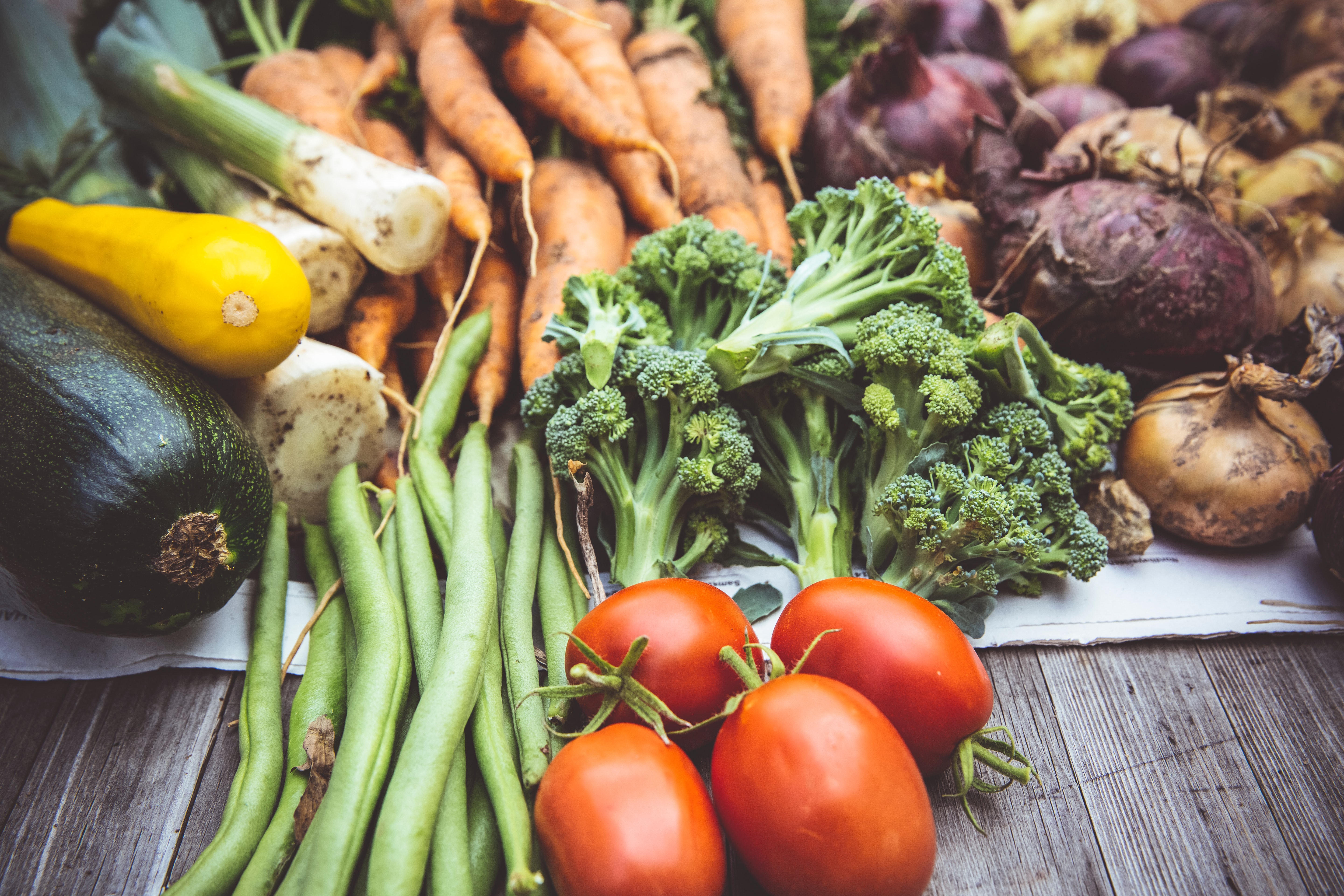
Shopping - While shopping, keep an eye out for your Christmas essential items that come in wholemeal options. Stock up on nuts, seeds and berries. Also, buy a variety of vegetables to complement your delicious meal. Why not try adding some beans and chickpeas to soups and salads?
Eat slowly - Try to eat slowly as this will allow you to savour and enjoy your meal, and will help you avoid overeating.
Try to avoid overeating - After you have finished eating, try to keep food items out of sight. It is harder to resist tempting food that is left out.
A bit of movement can help you feel energised and more comfortable after a big meal. A short walk outdoors is a simple way to fit in some activity during the holiday period.
BONUS TIP: Make sure to drink some water in between any alcoholic drinks to stay hydrated!
Healthy options for Christmas favourites
Here are some examples of traditional Christmas favourites with a few adjustments, or healthier alternatives, that don't compromise on taste.
Turkey - Add in lots of flavour and vegetables including onions, carrots, celery and plenty of herbs and seasoning. Why not freeze the leftover turkey to have later with some cooked vegetables or beans?
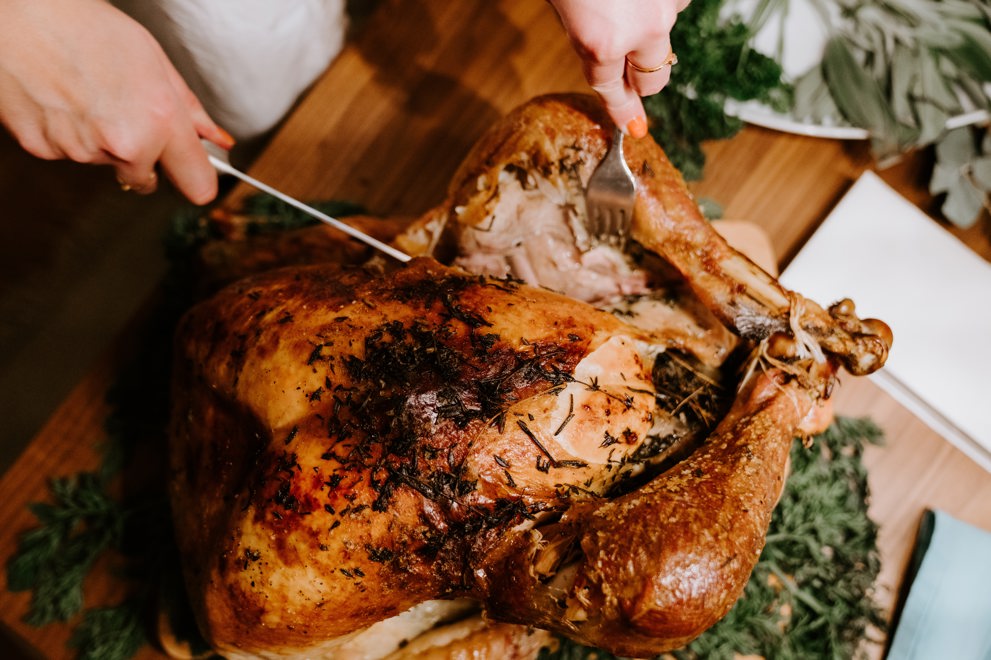
Roast potatoes - Be mindful of your portion size, or even replace those potatoes with vegetables if you are following a low carbohydrate diet.
Pigs in blankets - Limit your portion size and choose good quality sausages. Try grilling the sausages, rather than frying or baking, which allows excess fat to separate from the sausage.
Stuffing - Try to avoid prepared high-fat stuffing. Vegetarian stuffing is just as delicious and you can also make your own.
Vegetables - Along with your delicious roast, a variety of vegetable side dishes will complement the meal perfectly. Try carrots, brussels sprouts, cabbage or kale. If possible, try to steam, boil or bake the vegetables, or add in plenty of colourful side salads.
Desserts - The festive period isn’t complete without some sweet treats. Enjoy your desserts but try to limit your portion sizes. Also, make healthier snacks available, such as a cheese board with nuts or have a vegetable platter or a portion of nuts as an alternative option. Or why not serve your berries, with cream or Greek yoghurt and roasted hazelnuts and seeds? Why not try making low carb desserts like chocolate mousse with avocados and dark chocolate with crushed almonds?
Drinks - Stay hydrated! If you will be drinking alcohol, try to alternate between alcoholic and sugar-free soft drinks or water so that you don’t become dehydrated. Try to go for sugar-free or diet soft drinks rather than fruit juices, as juices are generally high in sugar. Also, remember alcoholic drinks can contain a lot of calories. You could switch some alcoholic drinks for mocktails or non-alcoholic options.
Recipes
These tasty festive recipes ideas below inspired by healthier versions of traditional favourites:, with just as much flavour, but with less salt, sugar and saturated fats:
- Roast turkey
- Roasted brussel sprouts with goat cheese and pomegranate
- Nut roast
- Carrot and swede mash
- Sage, onion and sweet potato stuffing
- Paprika roast roots
- Healthy stuffing
- Healthy gravy alternative
- Mini Christmas puddings
Article by:

Salma Mehar
Consultant Dietitian for the North West London Diabetes Transformation programme